
The choice between a projector and a TV comes down to your room, your budget, and how you watch. Projectors can make a bigger picture for the price, and TVs are brighter, simpler, and better in a lit room. This guide compares them point by point so you can choose.
Brightness and room lighting
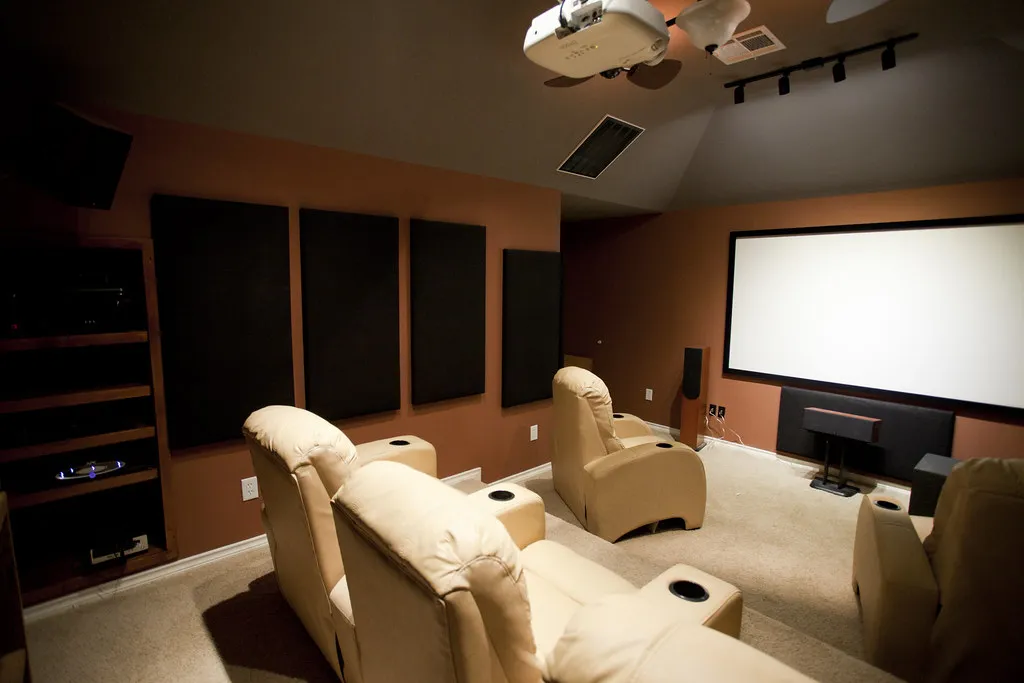
TVs generate their own light and look good in daylight. Projectors need to compete with ambient light. In a dark room, a projector can look excellent. In a bright room, the image washes out. If you can control the light with curtains, a projector is a possibility. If the room is bright all day, a TV is the safer choice. Yaber describes the L2 as a home-theater projector and sells the L1 Pro for bedroom viewing. Check each maker’s page for brightness and the room conditions they recommend.
Image size
This is where projectors shine. Many projectors can fill a 100-inch image or more. A TV that size can cost much more and is hard to fit in a room. If you want a cinema feel, a projector can do it for less. Remember that a bigger image needs more viewing distance.
Picture quality
High-end TVs, particularly OLED and mini-LED models, have excellent contrast and black levels. Budget projectors usually have lower contrast and may not show deep blacks. Resolution varies, so look for native resolution on the spec sheet, not just what the projector can accept as an input signal. Check for HDR support if you care about it.
Cost
A TV costs a set amount, and you are ready to go. A projector may need a screen, speakers, a mount, and cables. Add those costs. Lamp or LED life matters too, though many modern projectors use LED or laser light sources. Check the maker’s life rating and replacement cost.
Sound
Most TVs have thin built-in speakers, and many projectors do too, often worse. Plan on adding a soundbar or speakers either way. See the soundbar buying guide.
Setup and flexibility
TVs are plug and play. Projectors need placement. Throw distance, which is how far the projector must be from the screen to create a given size, matters. Keystone correction helps with angled placements, but can reduce quality. Portable projectors can go outdoors, which is a plus.
Smart features
Both TVs and projectors may have built-in apps, but their quality varies. A streaming device can fill the gap. See choosing a streaming device.
Noise
Projectors have fans, which make some noise. Check the maker’s noise rating. TVs are silent.
Maintenance
Projectors may need lens cleaning, filter cleaning, and occasional bulb or lamp replacement. TVs are low maintenance.
Quick comparison
| Feature | TV | Projector |
|---|---|---|
| Daylight viewing | Strong | Weak |
| Maximum size | Limited by budget | Very large |
| Contrast | Strong, especially OLED | Usually weaker |
| Setup | Easy | More involved |
| Portability | Low | Often high |
| Built-in sound | Basic | Basic or weak |
Who should buy a projector
- People with a dark room or a dedicated space.
- Anyone who wants a very large picture on a modest budget.
- Those who want portability for outdoor movies.
- People who can plan screen and seating.
Who should buy a TV
- Anyone watching in a bright room.
- People who want an easy setup.
- Those who also play games or watch sports in daylight.
- Anyone who wants strong picture quality out of the box.
Can you have both?
Yes. Some people use a TV for daily viewing and a projector for movie night. See how to host a movie night.
The takeaway
Choose a TV for bright rooms and simplicity, and a projector for a big cinematic picture in a dark room. Our researched top-10 list includes projectors and TV accessories with links to official pages. See also how to choose a projector screen.