
A good movie night does not need a big budget. It needs a film people will enjoy, seats that are comfortable, a picture and sound that do not distract, and snacks within reach. The difference between a so-so night and a memorable one is usually planning, not equipment. This guide walks through the steps in the order you will actually need them.
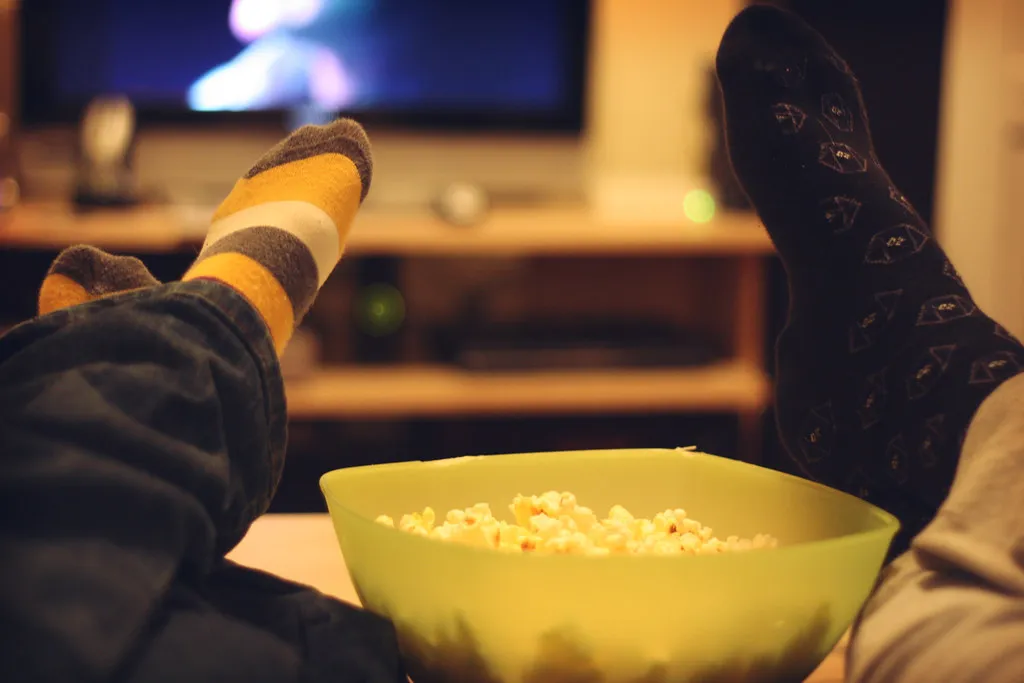
Step 1: Pick the movie with the room in mind
Choose for the audience, not just for yourself. A mixed group often does best with something broadly liked, such as a well-known comedy, adventure, or animated film. If you want to try something challenging, save it for a smaller group of people who asked for it. Check the running time and the rating, especially with kids present. If you are stuck, a short vote works better than an open-ended debate: offer three options and let people pick.
Decide on the format early. Streaming is easiest, but check that the film is actually available on a service you have, since catalogs change. A disc or a digital purchase avoids last-minute surprises. See choosing a streaming device if your setup is getting old.
Step 2: Sort out the seating
Count the seats before the guests do. A sofa holds three comfortably, and a fourth person gets squeezed. Add floor cushions, an ottoman, or folding chairs to fill the gaps. Keep sightlines clear, and avoid seats at extreme angles to the screen. Blankets make the room feel cozy, and cooler rooms are easier to fix with a throw than with the thermostat. See movie night comfort setup for more ideas.
Step 3: Check the picture and sound
Do a test run before people arrive. Start the film or a trailer, check that subtitles work, and set the volume. If dialogue is hard to hear, a soundbar can help a lot compared with built-in TV speakers. See the soundbar buying guide. If you want a bigger image than your TV, a projector is an option, covered in projector vs TV.
Dim the lights, but leave a small lamp on in the back so people can move around safely. Turn off notifications on the device you are using, so a message does not pop up during a quiet scene.
Step 4: Plan the snacks
Popcorn is the obvious choice, and fresh popcorn does feel different from the bagged kind. Pick a method that suits the size of the group. See popcorn makers compared and popcorn toppings and seasoning. Offer a few drinks and something not messy, so people can eat without leaving grease on remotes and blankets. If guests have food allergies, ask in advance and label what you serve.
Step 5: Set the ground rules
Keep these lightweight. A few that help:
- Phones on silent.
- Pause for bathroom breaks, so no one misses a plot point.
- Agree on subtitles in advance.
- Talk before or after, not during.
- If kids are present, pick a start time that is not too late.
Step 6: Think about the theme
A theme adds fun with little effort. You could pick a director, a decade, a genre, or a series. See movie marathon ideas for double features and more. Matching snacks to the movie, such as pasta for an Italian film or candy for a kid-friendly classic, makes it feel like an event.
Step 7: Clean up and follow up
Keep a small trash bin nearby, and a stack of napkins. At the end, check the room for dishes and cups before people leave. Ask the group what they liked. That gives you a better starting point for the next one.
A simple timeline
- A few days before: pick the movie and confirm who is coming.
- The day before: check the streaming service or disc, and buy snacks.
- An hour before: set up seating, test sound and picture, and prep the snacks.
- Ten minutes before: dim the lights, silence phones, and start the intro.
- After: chat, clean up, and plan the next one.
Hosting with kids
Kids do better with earlier start times, shorter films, and a bathroom break at the halfway mark. Let them help pick snacks and make a blanket fort. Check ratings, and preview scenes if you are unsure. Keep the volume at a comfortable level.
Hosting outdoors
Outdoor screenings need a bigger plan, such as a projector, a screen or white sheet, power, and bug spray. The gear is different, but the steps are the same. Check weather and neighbors’ schedules.
The takeaway
Pick the right movie, make sure everyone has a good seat, check sound and picture in advance, and keep snacks simple. See our researched top-10 list for streaming, sound, projector, and snack gear with links to official pages. See also how to set up a home theater.